Trustworthy Home Building Services for Your Dream Project
Determining a reputable home builder is a critical step in realizing one's dream home. Fundamental strengths, including effective project management and clear financial planning, can markedly impact the outcome. In addition, understanding the essential services a builder should provide is equally important. As homeowners work through this complex process, diverse factors warrant serious evaluation. Which defining qualities should one emphasize most when selecting a builder for this sizable monetary commitment?
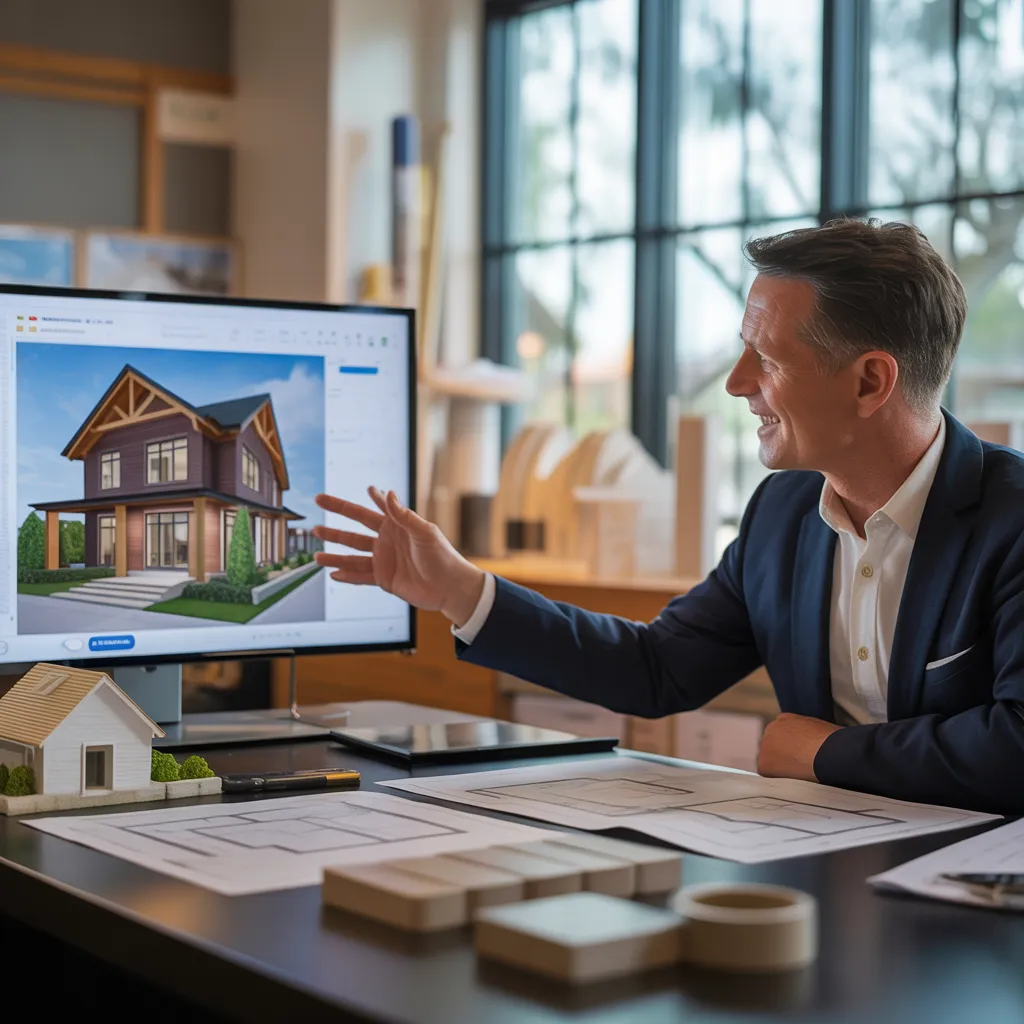
Vital Features of a Honest Home Builder
When selecting a home builder, comprehending the important traits that characterize a trustworthy professional is essential. Integrity is paramount; a dependable builder ensures openness in all transactions, guaranteeing clients are educated and at ease throughout the process. Expertise also matters significantly; seasoned builders possess the knowledge to navigate challenges successfully and can assist clients through intricate design and regulatory matters.
Moreover, strong communication skills are required, as they facilitate clear interactions and prompt responses to client inquiries. A well-established contractor should also demonstrate a commitment to quality, using resilient supplies and professional expertise to secure lasting results. Finally, favorable customer feedback and a comprehensive body of work display a builder's reputation and reliability. By recognizing these essential characteristics, clients can select carefully and pick a builder who corresponds to their objectives and beliefs.
Key Services a Quality Home Builder Should Offer
A excellent home builder provides a range of critical services that secure a smooth and successful construction process. First, they provide comprehensive design and planning services, which involve consultations to comprehend the client's vision and preferences. This ensures that the project corresponds to the homeowner's expectations from the outset.
Furthermore, a trustworthy builder handles all necessary permits and legal adherence, streamlining the often complex legal requirements of construction. They also offer project management services, organizing subcontractors, materials, and timelines effectively to reduce delays and disruptions.
Furthermore, quality home builders often provide clear budget planning and price quotes, enabling clients to choose wisely throughout the project. After construction, many builders extend services such as guarantees and after-build assistance, guaranteeing lasting contentment. By offering these essential services, a trustworthy home constructor plays a pivotal role in converting a vision endeavor into a reality.
Important Criteria for Examining a Contractor's Body of Work
When reviewing a builder's portfolio, numerous critical criteria emerge as vital signs of quality. Project variety and scope, craftsmanship, and uniformity of style are important factors in determining a contractor's ability to meet diverse client needs. These factors collectively demonstrate insight into the construction firm's experience and overall creative direction.
Project Scope and Range
Project variety and extent act as crucial measures when evaluating a builder's portfolio. A extensive selection of projects highlights the builder's versatility and expertise in managing different approaches and demands. This includes residential homes, renovations, and commercial spaces, illustrating the builder's capacity to meet varied client needs. Assessing the scope also involves reviewing project sizes, from small-scale remodels to large custom builds. A builder with experience across diverse project types shows a deep understanding of industry standards and challenges. Moreover, a well-rounded portfolio indicates a builder's ability to innovate and customize solutions, making certain they can bring a client's vision to life, no matter the complexity or scale. This variety ultimately adds to a builder's reputation and trustworthiness.
Excellence in Artisanship
The quality of craftsmanship is a essential criterion in evaluating a builder’s portfolio, reflecting the skillset and careful attention to detail behind their work. Prospective homeowners should carefully review completed projects, noting the precision of finishes, structural soundness, and overall aesthetics. High-grade craftsmanship typically displays excellent materials and techniques, clear in smooth surfaces, precisely positioned fixtures, and sturdy installations. Builders prioritizing craftsmanship generally commit to excellence, ensuring that every part meets high benchmarks. Additionally, client feedback can provide insights into the builder's reliability and commitment to quality. By considering craftsmanship, homeowners can make informed decisions, ensuring their chosen builder aligns with their vision for a well-executed project.
Design Consistency and Aesthetic
Design consistency and aesthetic coherence are essential factors in assessing a builder's portfolio, as they reflect the overall intent and design harmony of completed projects. A portfolio showcasing varied designs may indicate versatility; however, it should still copyright a recognizable style that reflects the builder's brand. Clients should identify harmonious color schemes, complementary materials, and unified design features across different homes. Careful consideration in design details, such as trim and lighting, further demonstrates a builder's commitment to consistent style. Additionally, examining how a builder modifies their design principles while still achieving a cohesive look across multiple projects can provide insight into their creative capabilities. Ultimately, design consistency guarantees clients that their vision will be realized seamlessly.
Why Plain Speaking Is Crucial in Home Building
Communication that is lucid serves as a cornerstone in home building, as it creates the groundwork for establishing expectations among all stakeholders. When difficulties emerge, strong communication promotes quick troubleshooting, curtailing delays and miscommunications. Moreover, open and honest dialogue nurtures trustworthy relationships, which are vital for successful project completion.
Establishing Requirements Clearly
Communication is key in the home building process, as it builds the foundation for a successful project. Establishing clear expectations between homeowners and builders is crucial to prevent misunderstandings. This includes specifying timelines, budget constraints, and design preferences from the beginning. Proper communication of expectations allows both parties to align their visions and objectives, resulting in a smoother workflow. Regular updates and open dialogue promote transparency, making homeowners feel involved and informed throughout the project. Additionally, clear expectations assist builders in managing resources efficiently, reducing delays and potential conflicts. When clear communication is prioritized, homeowners and builders can collaborate effectively to realize the dream project without unnecessary complications. In the end, this method improves satisfaction and trust in the home building experience.
Supporting Speedy Problem-Solving
Steering through the complexities of home building typically requires immediate decision-making and problem-solving. Open communication among builders, clients, and subcontractors is necessary for managing unexpected challenges smoothly. When difficulties emerge, timely and clear dialogue allows immediate problem detection, cutting delays and lowering stress. Contractors who value open communication channels can swiftly convey information, find details about making sure every party agrees on solutions. This forward-thinking method encourages swift problem-solving while enabling clients to make well-informed choices. By cultivating clear communication habits, home builders improve their capacity to overcome obstacles proficiently, leading to successful project completion and stakeholder satisfaction.
Strengthening Trustworthy Bonds
Building credibility among all participants in home construction copyrights on consistent communication. Clear dialogue supports collaboration between homeowners, builders, and subcontractors, ensuring that everyone is aligned on project goals and expectations. Regular updates and open channels for feedback permit the timely resolution of concerns, cutting down on misunderstandings. When builders share timelines, budgets, and potential obstacles transparently, homeowners feel more secure in their investments. Additionally, establishing rapport encourages a cooperative atmosphere, which can lead to innovative solutions and creative input. Ultimately, by prioritizing effective communication, all stakeholders can forge stronger relationships, paving the way for successful projects and satisfied clients. This trust enhances the overall experience, making the home-building journey more enjoyable and less stressful.
Tips for Managing Your Home Budget Intelligently Prudently
How can property owners assure their finances align with their dream home aspirations? A solid budget is important for making informed decisions. First, homeowners should appraise their financial situation by calculating total income, existing debts, and monthly expenses. This assessment helps ascertain a workable financial plan for home construction.
Next, developing a thorough list of expected costs is important. Homeowners should incorporate land acquisition, materials, labor, permits, and unforeseen costs, often referred to as a emergency budget. Establishing a ranked order for features can guide spending and guarantee key components are paid for first.
Furthermore, property owners should examine funding alternatives, such as loans, grants, or savings, to ensure required resources. Regularly assessing expenditures against the budget can help preserve financial discipline throughout the project. By sticking with these methods, property owners can effectively manage their finances and bring their dream home to fruition without overspending.
Key Points for the Home Building Process
As homeowners start the process of building their ideal residence, recognizing the multiple steps of the construction journey is crucial for a favorable conclusion. The workflow typically begins with advance preparation, where homeowners coordinate with builders to finalize specifications, finances, and deadlines.
Once plans are authorized, the groundwork starts, which includes site readiness and pouring the foundation. After this phase, the framing stage creates the home's structure, enabling a clearer vision of the final product. After framing, systems such as pipe work, electrical, and HVAC systems get installed.
Then, outside and inside surfaces are applied, making the space into a livable setting. The ultimate phase entails inspections and obtaining required permits before closing. Throughout this undertaking, effective communication with builders ensures that the project stays on track, reflecting the property owners' goals and desires.
Popular Inquiries Posed Regularly
What's the Best Way to Select the Ideal Home Builder for Your Construction?
To choose the best home builder, one should examine their background, analyze past projects, verify licenses and protection, assess interaction styles, and procure complete estimates. Referrals from people you know and web opinions can also furnish important insights.
What Protection Do Home Builders Typically Offer?
Home constructors typically extend warranties that cover structural defects, workmanship, and construction materials. Standard durations last from one to ten years, delivering protection against significant issues arising after construction, fostering buyer confidence and pleasure.
Is it Possible to Implement Alterations During the Construction Process?
Changes during the building process are often doable, but they may rely on the contract and stage of construction. Homeowners should liaise with builders in a timely manner to address options and any potential impacts on timelines and costs.
How Long Does it Require to Construct a Typical Home?
A typical home construction generally requires six to twelve months, depending on various elements such as design complexity, ground circumstances, and weather. Delays can occur, impacting the overall timeline of the construction process.
What would I handle if concerns take place During Construction?
If complications develop during construction, the homeowner should record the problems, communicate promptly with the builder, and pursue resolution. If necessary, seeking legal advice or a neutral arbitrator may effectively resolve major disagreements successfully.